

Every parent who leaves their child with a caregiver knows the nagging worry: Is my child truly safe when I’m not there?
This uncertainty intensifies with unexplained behavioral changes, turning workdays into anxiety-filled hours of constant phone-checking and second-guessing your childcare choices. Stories of caregiver neglect amplify these fears, making you question if any amount of vetting is enough.
A nanny cam provides peace of mind through real-time visibility into your child’s care. These discreet cameras connect to Wi-Fi, letting you monitor from your smartphone while ensuring legal compliance.
This blog post explains exactly how these devices work, when you might need one, and the legal considerations involved, so you can make an informed decision for your family’s security.
What is a nanny cam?
A nanny cam is a small camera, often disguised as a common household object, that records video and sometimes audio to help parents oversee their child’s care.
How does it work?
Most modern nanny cams connect to your home’s Wi-Fi network, allowing you to view a live video feed from your smartphone or computer.
These devices can be either visible, like a standard security surveillance camera, or hidden inside items such as clocks, smoke detectors, or USB chargers. The camera captures footage and transmits it wirelessly.
This allows parents to check in on their home in real-time from anywhere with an internet connection. Some models also offer local storage options, such as a microSD card, to save recordings directly on the device.
When might you need a nanny cam?

A nanny cam can be beneficial in several situations, primarily when you need to verify the quality of care your child is receiving. It’s often considered when hiring a new caregiver, observing unexplained changes in a child’s behavior, or ensuring daily routines are being followed correctly.
1. When you have a new caregiver
Using a nanny cam can provide peace of mind during the initial transition period with a new babysitter or nanny. It allows you to observe their interaction style, attentiveness, and how they handle daily tasks without being physically present.
This monitoring helps build trust and confirms you made the right hiring decision. You can see firsthand if the caregiver is engaging with your child, following your instructions for feeding and nap times, and maintaining a safe environment.
2. When you notice behavioral changes in your child
If your child suddenly becomes withdrawn, anxious, or shows other unexplained behavioral changes, a nanny cam can help you understand what might be happening when you’re not home. It provides an objective view of their daily interactions and environment.
These cameras can reveal potential issues such as neglect, harsh disciplinary methods, or simply a lack of positive engagement from the caregiver. Observing the situation can help you identify the root cause of your child’s distress, whether it’s related to caregiving or another factor, so you can address it appropriately.
3. When you need to verify daily routines
A nanny cam is an effective tool for ensuring that important household rules and child-related routines are being consistently followed. This includes everything from nap schedules and feeding times to screen time limits and safety protocols.
For parents who need to confirm that specific medical instructions are followed or that safety gates are being used correctly, a camera offers direct verification. It removes guesswork and helps ensure your child’s day is structured, safe, and predictable, which is vital for their well-being and development.
Are nanny cams legal?
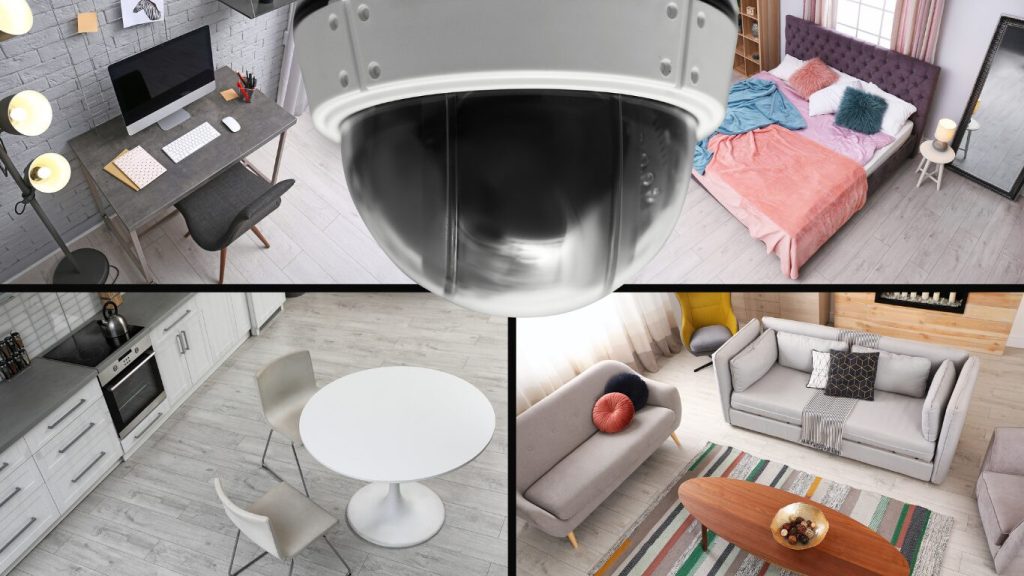
In all 50 U.S. states, it is legal to record video within your own home without consent, but you cannot place cameras in areas with a “reasonable expectation of privacy.”
However, audio recording laws are much stricter and vary significantly by state, often requiring consent from at least one party, and sometimes all parties, involved in a conversation. Violating these laws can lead to serious legal consequences, including civil lawsuits and criminal charges.
Evidence obtained from an illegally placed camera is often inadmissible in court. Therefore, understanding both federal and state regulations is absolutely essential before you install any device.
Is it legal to record video of a nanny?
Yes, it is legal for you to record video of a nanny or anyone else inside your own home without their permission. This right is based on the fact that it is your private property, and there is generally no expectation of privacy in common areas.
According to U.S. law, homeowners can install hidden cameras or visible ones in shared spaces like the living room, kitchen, or playroom. The key is to avoid private areas. Illegally recording in a private space could lead to criminal charges like voyeurism.
Can you legally record a nanny’s conversations?
Legally recording audio is far more complicated than video and depends entirely on your state’s consent laws. Some states are one-party consent states, while others are all-party consent, which means you would need your nanny’s permission to record their conversations.
The federal law requires one-party consent, meaning you can record if you are part of the conversation or if one person in the conversation consents. However, about 14 states, including California, Florida, and Pennsylvania, are all-party consent states. In these locations, you must obtain consent from everyone being recorded. Illegally recording audio can result in civil lawsuits for damages.
Where can you legally place a nanny cam?
EMBED: How to Hide a Security Camera (Indoors or Outside)
You can legally place a nanny cam in any common area of your home where there is no reasonable expectation of privacy.
Should you tell your nanny about a camera?

Yes, legal and childcare experts overwhelmingly recommend that you inform your nanny about the presence of any cameras in your home. While you may not be legally required to disclose video-only cameras in common areas, doing so is an ethical best practice that builds trust.
Being transparent can prevent feelings of betrayal and potential legal disputes, especially regarding audio recording. A caregiver who knows they are being recorded is also more likely to be on their best behavior, which ultimately benefits your child.
Disclosing the camera sets a foundation of honesty and respect in your working relationship. An open conversation prevents the nanny from feeling spied on and allows you to establish clear expectations about household monitoring from the start. This approach fosters a healthier and more positive environment for both the caregiver and your family.
Features to Look for in a Nanny Cam
EMBED: How to Choose a Hidden Camera – Buyers Guide
When choosing a nanny cam, you should prioritize a combination of key features to ensure you get clear, reliable footage. The right features allow you to see what’s happening, receive timely notifications, and even communicate with your child or caregiver if needed.
A comprehensive home security system often includes cameras with these capabilities, providing a complete solution.
Video and audio quality
For video, look for a camera with at least 1080p HD resolution, though 2K resolution is becoming more common and provides even sharper detail. For audio, a two-way audio feature is highly valuable, as it allows you to both listen in and speak through the camera’s speaker using your phone.
High-quality video is essential for identifying faces and seeing details clearly. A camera like the Arlo Essential Indoor Cam offers sharp 2K video and color night vision. The two-way talk feature transforms the camera from a passive monitoring device into an active communication tool, which can be used to soothe a child or give instructions to a caregiver.
Video storage options
Nanny cams typically offer two main storage options. Many cameras offer both, giving you a backup if one method fails.
- Local storage is when footage is saved to a microSD card inserted directly into the camera. This is a one-time purchase that avoids monthly fees, but the footage can be lost if the camera is stolen or damaged.
- Cloud storage is when footage is uploaded to a remote server. This usually requires a subscription but ensures your recordings are safe and accessible from anywhere, even if something happens to the camera itself.
Motion detection
This feature sends an alert to your phone when the camera senses activity. Advanced motion detection systems can even differentiate between people, pets, and other movements to reduce false alarms.
Wide field of view
This refers to the angle the camera can see. Look for a field of view of at least 130 degrees to cover most standard-sized rooms effectively with a single device.
Protect your home today
A nanny cam can be a powerful tool for ensuring your child’s safety and providing invaluable peace of mind.
If you’re ready to enhance your home’s security with a professionally installed surveillance system, contact B&W Fire Security Systems. Our experts can help you select and install the perfect cameras to meet your family’s unique needs.
Frequently Asked Questions
What is a nanny cam?
A nanny cam is a type of discreet security surveillance camera that parents use to monitor their child’s care. These cameras are often disguised as household objects and connect to Wi-Fi, allowing parents to view a live feed from a smartphone.
Is it legal to record video with a nanny cam?
Yes, it is legal in all 50 states to record video inside your own home without permission. This applies to common areas like the living room, playroom, or kitchen. Using hidden cameras in these spaces is also permitted.
Can I record audio with a nanny cam?
Audio recording is legally complex and depends on state law. Federal law requires one-party consent, but about 12 states require all-party consent, meaning you would need the nanny’s permission to record conversations. Illegally recording audio can lead to serious legal penalties.
Where can I legally place a nanny cam?
You can place a nanny cam in common areas where there is no reasonable expectation of privacy, such as the living room, kitchen, or your child’s bedroom. It is illegal to place them in private areas like bathrooms or a live-in nanny’s personal bedroom.
Should I tell my nanny about the camera?
Yes. While not always legally required for video-only cameras, legal and childcare experts overwhelmingly recommend informing your nanny. Being transparent builds trust, prevents feelings of betrayal, and establishes a foundation of honesty in your working relationship.
What are the most important features for a nanny cam?
Look for a camera with high-definition video (1080p or higher), reliable motion detection with alerts, a wide field of view, clear night vision, and two-way audio. Many of these features are standard in modern home security systems.